Our Mission

The SFA is committed to achieving superior national space power by shaping a Space Force that provides credible deterrence in competition, dominant capability in combat, and professional services for all partners.

SFA is a 501(c)3 Organization.

The SFA performs three major functions:

Research

  • Creative, effective, and fiscally responsible space domain solutions
  • Diverse member and partner expertise
  • Independent research and analysis decision-worthy insights

Inform

  • Publicize expertise and passion of industry professionals
  • Catalog of rich multi-media programming
  • Outreach initiatives to expand general space power literacy

Advocate

  • Pursue a future of security
  • Enable the Space Force to uphold U.S. interests
  • Maintain leadership role in national space power

Spacepower News

SFA on YouTube

There is a version of ready where the hardware works. There is another version where the people, the doctrine, the joint playbooks, and the partner relationships all hold under the pressure of an actual conflict. Building the second one is a full-time job, and almost none of it is visible from the outside.

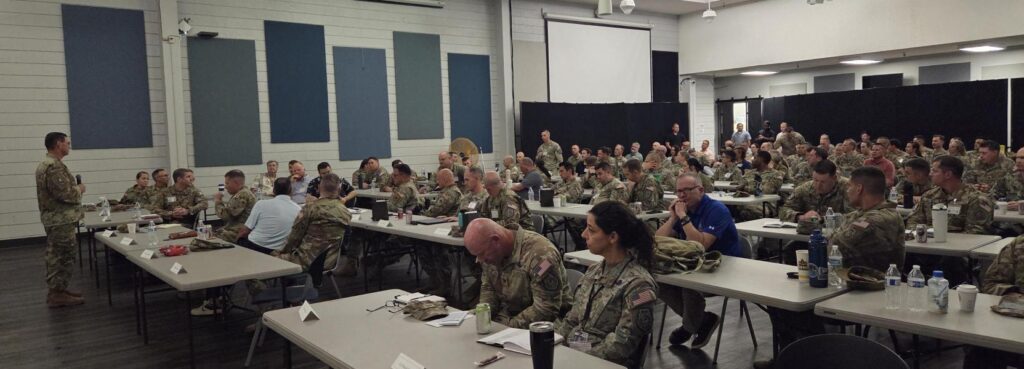
The Space Force organizes, trains, and equips. U.S. Space Command employs. The layer in between, the exercises, the wargames, the training architecture, and the doctrine that tells the joint forceMaj. Gen. "Bull" Keener: Inside Space Command's Exercise and Wargaming Architecturehow to operate together in a contested domain, belongs to the J7. As adversary counterspace capability moves from projection to fielded reality, that layer is where readiness is either proven or exposed.

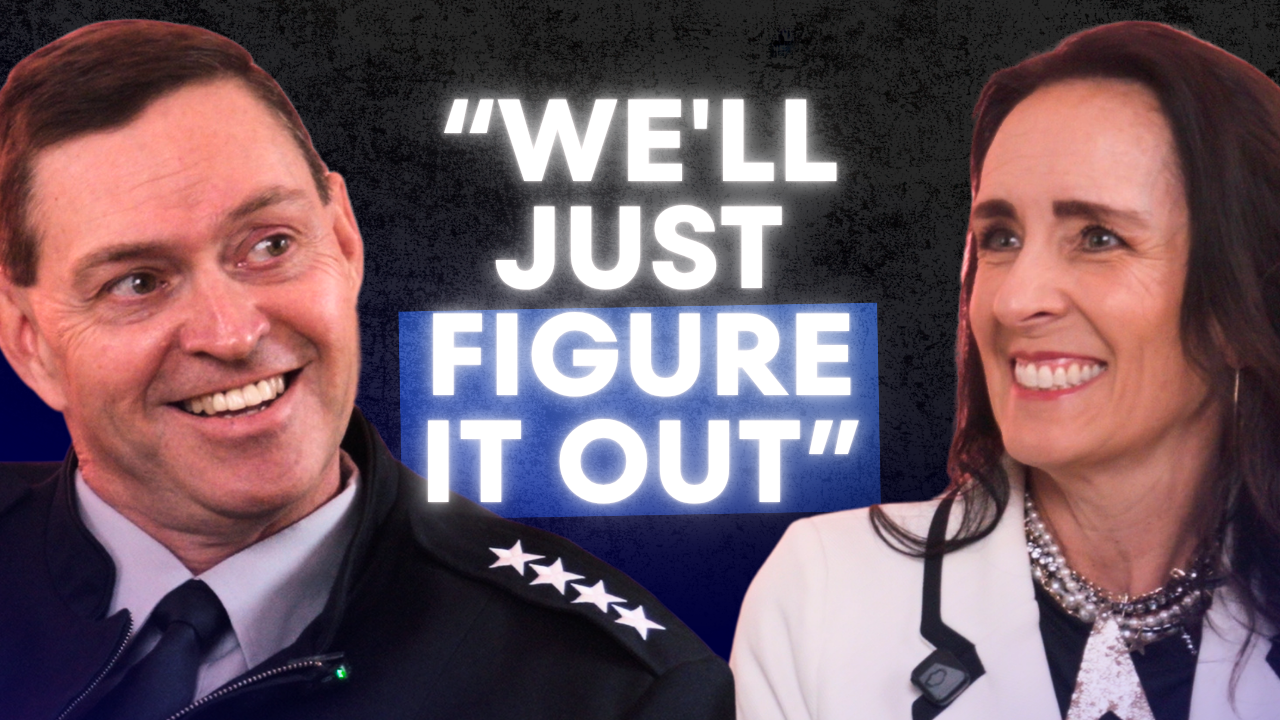
In this episode of the Spacepower Podcast, SFA Founder and host Bill Woolf sits down with Maj. Gen. Samuel "Bull" Keener, Director of Exercises, Training, Wargames, and Experimentation (J7) at U.S. Space Command, to walk through how a combatant command builds itself into a warfighting organization.

* Why U.S. Space Command's area of responsibility begins at 100 kilometers and has no upper limit, and what that means for who actually provides the forces that operate there
* The difference between the Space Force and U.S. Space Command in the plainest terms you will hear it, from someone who gets asked constantly
* Why a combatant command needs a Tier 1 exercise at all, and why standing one up was the first thing Gen. Keener was told to go build
* Why you cannot replicate a thinking adversary on a white card, and how red cells, red teams, and space aggressors are used to close that gap
* The modeling and simulation problem nobody has solved: why no single tool can accurately represent the space fight, and why artificial intelligence and machine learning are now part of the answer
* How the Space Force's Future Operating Environment 2040 and Objective Force 2040 nest with Space Command's Space Warfighting Environment 2040. One defines the environment, one defines the force, and one defines how the joint force fights and wins within it
* Why satellites in geosynchronous orbit are, in the commander's framing, static targets, and what maneuver has to do with self-defense
* The 1941 Louisiana Maneuvers analogy, and why an exercise that reorganized the U.S. Army's armored divisions before World War II is the model for what happens on orbit
* What coalition training requires in a domain where you cannot put allies in a formation and fly a mission together, and why communications and classification remain the hardest problems
* Why lessons learned measured in weeks or months is no longer fast enough, and the push to find a problem and implement the fix in days

Capability delivered is not capability employed. The distance between the two is measured in exercises, in wargames, and in the honesty of the models you train against. That distance is the J7's work, and it is where the Space Force's investment either becomes joint warfighting readiness or does not.

Editor's note: this conversation was recorded several months before U.S. Space Command published the Space Warfighting Environment 2040 on July 28, 2026.

Hosted by Bill Woolf

Produced by Ty Holliday

There is a version of ready where the hardware works. There is another version where the people, the doctrine, the joint playbooks, and the partner relationships all hold under the pressure of an actual conflict. Building the second one is a full-time job, and almost none of it is visible from the outside.

The Space Force organizes, trains, and equips. U.S. Space Command employs. The layer in between, the exercises, the wargames, the training architecture, and the doctrine that tells the joint forceMaj. Gen. "Bull" Keener: Inside Space Command's Exercise and Wargaming Architecturehow to operate together in a contested domain, belongs to the J7. As adversary counterspace capability moves from projection to fielded reality, that layer is where readiness is either proven or exposed.

In this episode of the Spacepower Podcast, SFA Founder and host Bill Woolf sits down with Maj. Gen. Samuel "Bull" Keener, Director of Exercises, Training, Wargames, and Experimentation (J7) at U.S. Space Command, to walk through how a combatant command builds itself into a warfighting organization.

* Why U.S. Space Command's area of responsibility begins at 100 kilometers and has no upper limit, and what that means for who actually provides the forces that operate there
* The difference between the Space Force and U.S. Space Command in the plainest terms you will hear it, from someone who gets asked constantly
* Why a combatant command needs a Tier 1 exercise at all, and why standing one up was the first thing Gen. Keener was told to go build
* Why you cannot replicate a thinking adversary on a white card, and how red cells, red teams, and space aggressors are used to close that gap
* The modeling and simulation problem nobody has solved: why no single tool can accurately represent the space fight, and why artificial intelligence and machine learning are now part of the answer
* How the Space Force's Future Operating Environment 2040 and Objective Force 2040 nest with Space Command's Space Warfighting Environment 2040. One defines the environment, one defines the force, and one defines how the joint force fights and wins within it
* Why satellites in geosynchronous orbit are, in the commander's framing, static targets, and what maneuver has to do with self-defense
* The 1941 Louisiana Maneuvers analogy, and why an exercise that reorganized the U.S. Army's armored divisions before World War II is the model for what happens on orbit
* What coalition training requires in a domain where you cannot put allies in a formation and fly a mission together, and why communications and classification remain the hardest problems
* Why lessons learned measured in weeks or months is no longer fast enough, and the push to find a problem and implement the fix in days

Capability delivered is not capability employed. The distance between the two is measured in exercises, in wargames, and in the honesty of the models you train against. That distance is the J7's work, and it is where the Space Force's investment either becomes joint warfighting readiness or does not.

Editor's note: this conversation was recorded several months before U.S. Space Command published the Space Warfighting Environment 2040 on July 28, 2026.

Hosted by Bill Woolf

Produced by Ty Holliday

YouTube Video UExsYmpKTHJBR2toSjYybS1GWnNxUzFEaHZyWUYya3FhVC4yQjZFRkExQjFGODk3RUFD

Maj. Gen. Keener: The Layer Between Capability and Combat | Spacepower Podcast

Space Force Association July 31, 2026 4:00 pm

The Signal the World Runs On: GPS. with SYD 831

Space Force Association June 25, 2026 4:00 pm

On the worst day imaginable, the day a nuclear decision has to be made, the President of the United States needs to talk to commanders and allies anywhere on Earth. That conversation runs through space. And the people responsible for delivering it just did so two full years ahead of schedule.

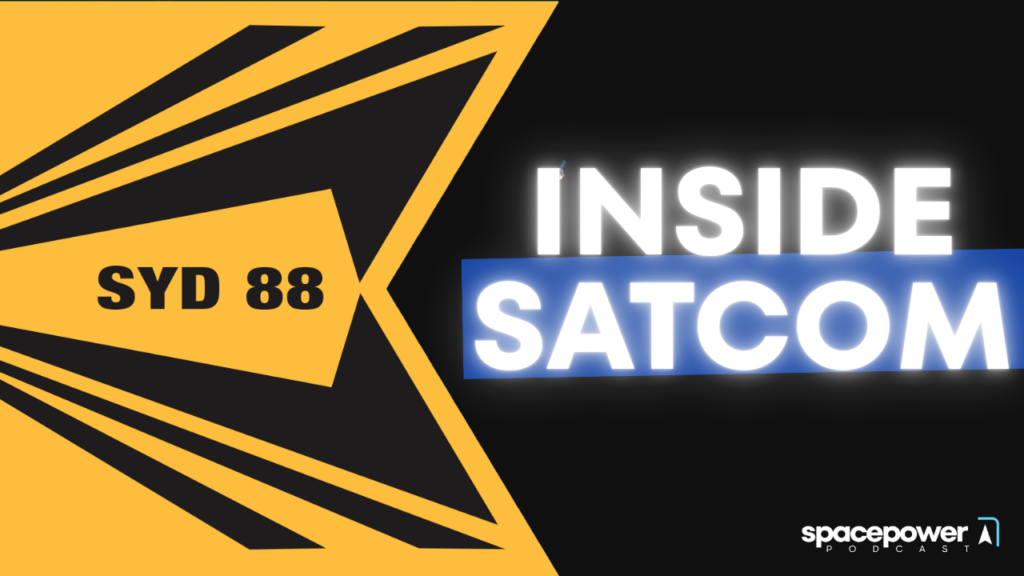
But this episode isn't just about a single acquisition win. It's about a fundamental shift in how the Space Force thinks about buying capabilities. For decades, a cultural wall separated the people who acquired systems from the people who fought with them. Requirements passed over a fence. Timelines drifted. By the time a capability arrived, the threat had sometimes already moved. System Delta 88 exists to make that model obsolete.

In this episode of the Spacepower Podcast, SFA Founder and host Bill Woolf sits down with Col. A.J. Ashby, Commander of System Delta 88 at Space Systems Command, to discuss how the Space Force is rewiring military satellite communications acquisition and what it looks like when acquisition becomes a warfighting function.

In this conversation, Col. Ashby discusses:

* Why the Space Force created System Deltas in 2025 and how they differ from traditional program offices
* What "acquisition is a warfighting function" actually means in practice, not just on a slide
* How SYD 88 won the 2025 David Packard Excellence in Acquisition Award, the Department of War's highest acquisition team honor, for delivering a critical NC3 capability two full years early
* The cultural wall between acquirers and operators, and the specific steps SYD 88 is taking to tear it down
* Why new SYD 88 personnel earn a SATCOM patch the same way an operator earns a rating
* What "zero daylight" between SYD 88 and Mission Delta 8 looks like in a weekly ops meeting
* The commercial-first philosophy: where industry solutions win outright and where the hard military-specific problems begin
* Why vendor lock is one of the biggest risks in the SATCOM portfolio and how open architecture changes that
* What it means to deliver capability at the speed of threat relevance, not just the speed of the program schedule
* How junior acquirers who have never read a requirements document are being trained to think like warfighters

Military satellite communications is invisible on a good day. It has to be invisible, reliable, and unjammable on the worst one. This episode is about the team building it and the reform changing how the Space Force buys for war.

Hosted by Bill Woolf Produced by Ty Holliday

Guest: Col. A.J. Ashby, Commander, System Delta 88, Space Systems Command Col. Ashby commands System Delta 88, the Space Systems Command unit responsible for developing and delivering military satellite communications capabilities to the joint force. Under his command, SYD 88 received the 2025 David Packard Excellence in Acquisition Award for delivering a critical nuclear command, control, and communications capability two years ahead of schedule. It was the largest source selection in Space Force history across a $24 billion portfolio.

Learn more about Space Systems Command: https://www.ssc.spaceforce.mil/

Learn more about the U.S. Space Force: https://www.spaceforce.mil/

Join SFA: https://ussfa.org/

Subscribe for more conversations on spacepower, national security, and the future of the space domain.

On the worst day imaginable, the day a nuclear decision has to be made, the President of the United States needs to talk to commanders and allies anywhere on Earth. That conversation runs through space. And the people responsible for delivering it just did so two full years ahead of schedule.

But this episode isn't just about a single acquisition win. It's about a fundamental shift in how the Space Force thinks about buying capabilities. For decades, a cultural wall separated the people who acquired systems from the people who fought with them. Requirements passed over a fence. Timelines drifted. By the time a capability arrived, the threat had sometimes already moved. System Delta 88 exists to make that model obsolete.

In this episode of the Spacepower Podcast, SFA Founder and host Bill Woolf sits down with Col. A.J. Ashby, Commander of System Delta 88 at Space Systems Command, to discuss how the Space Force is rewiring military satellite communications acquisition and what it looks like when acquisition becomes a warfighting function.

In this conversation, Col. Ashby discusses:

* Why the Space Force created System Deltas in 2025 and how they differ from traditional program offices
* What "acquisition is a warfighting function" actually means in practice, not just on a slide
* How SYD 88 won the 2025 David Packard Excellence in Acquisition Award, the Department of War's highest acquisition team honor, for delivering a critical NC3 capability two full years early
* The cultural wall between acquirers and operators, and the specific steps SYD 88 is taking to tear it down
* Why new SYD 88 personnel earn a SATCOM patch the same way an operator earns a rating
* What "zero daylight" between SYD 88 and Mission Delta 8 looks like in a weekly ops meeting
* The commercial-first philosophy: where industry solutions win outright and where the hard military-specific problems begin
* Why vendor lock is one of the biggest risks in the SATCOM portfolio and how open architecture changes that
* What it means to deliver capability at the speed of threat relevance, not just the speed of the program schedule
* How junior acquirers who have never read a requirements document are being trained to think like warfighters

Military satellite communications is invisible on a good day. It has to be invisible, reliable, and unjammable on the worst one. This episode is about the team building it and the reform changing how the Space Force buys for war.

Hosted by Bill Woolf Produced by Ty Holliday

Guest: Col. A.J. Ashby, Commander, System Delta 88, Space Systems Command Col. Ashby commands System Delta 88, the Space Systems Command unit responsible for developing and delivering military satellite communications capabilities to the joint force. Under his command, SYD 88 received the 2025 David Packard Excellence in Acquisition Award for delivering a critical nuclear command, control, and communications capability two years ahead of schedule. It was the largest source selection in Space Force history across a $24 billion portfolio.

Learn more about Space Systems Command: https://www.ssc.spaceforce.mil/

Learn more about the U.S. Space Force: https://www.spaceforce.mil/

Join SFA: https://ussfa.org/

Subscribe for more conversations on spacepower, national security, and the future of the space domain.

19 6

YouTube Video UExsYmpKTHJBR2toSjYybS1GWnNxUzFEaHZyWUYya3FhVC5DRUQwODMxQzUyRTlGRkY3

On Our Worst Day, These Links Have to Hold: Inside Military SATCOM with SYD 88

Space Force Association June 18, 2026 4:00 pm

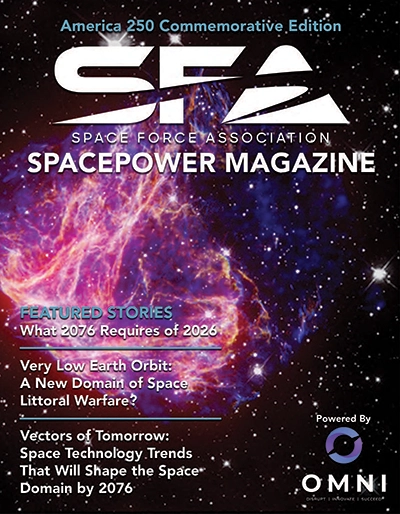
Spacepower Magazine: Winter 2025 Issue

Spacepower Conference 2025

Featuring:

🔹A message from President & CEO, Bill “Hipppie” Woolf, on the 3rd annual Spacepoer Conference.

🔹 In, “The Warfighter Ethos: The Beating Heart Driving SSC’s Internal Transformation,” USSF Lt. Gen Phil Garrant explains how the SSC works toward the mission of fighting & winning in space.

🔹 SSC Director, Col. Timothy Trimailo, explains COMSO and how it’s working to integrate commercial speed, flexibility, and innovation into all mission areas.

Space force Events

We have events at our chapters all over the country. Many of the events are open to non-members, so check out our calendar and learn more about the space community.

You are leaving our site.

You are now leaving Space Force Association’s website and navigating to:.